
Owning a yacht is more than just having a luxury boat—it shows a love for adventure and freedom. It’s about enjoying the open sea, discovering quiet bays, and relaxing away from everyday life.
Buying a yacht is also about choosing the kind of lifestyle you want. Some people want a yacht for hosting friends, others for long trips, and some for peaceful time near the coast.
Details matter when choosing a yacht. You may need to decide between sailing or motor yachts, as well as the size, layout, and onboard comfort. The right yacht should match how you want to spend your time on the water, making every trip enjoyable.
Defining Your Yacht Usage
Start by thinking about how you truly want to use your yacht—this shapes every choice that follows. Dreaming of spontaneous day trips? Smaller yachts keep things simple and stress-free. They need fewer crew, are easier to handle, and usually come with open decks perfect for relaxed afternoons, soaking up coastline views, and gathering a handful of friends. This option means less hassle and more time spent enjoying the water up close.
If your plans lean towards longer adventures, bigger yachts open up new horizons. These come with all the essentials for comfortable living at sea: spacious kitchens, several cabins, and perhaps even a spot to work out or unwind at a spa. With greater fuel capacity and reliable equipment, these yachts are ready for proper journeys, giving you peace of mind even when the weather doesn’t play along.
Some buyers want their yacht to be a showstopper for entertaining. In this case, prioritise features that make hosting easy: think roomy dining spaces, broad sun decks, and high-tech bars and lounges. Many offer plush interiors equipped with clever lighting and sound systems—so you can throw everything from lively parties to cosy evenings, all with a touch of flair.
The secret is to pick a yacht that matches your own habits and passions. A good fit means every trip, long or short, feels just right for you and your guests.
Assessing Yacht Types
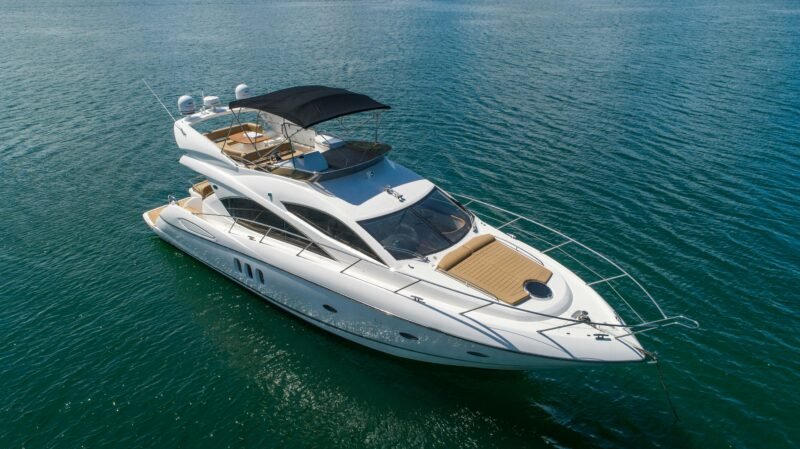
Motor yachts, sailing yachts, catamarans, and sports yachts each bring something unique to your time out on the water, depending on your priorities and how you like to cruise. For those exploring their options, a comprehensive yacht selection can help you discover vessels that align perfectly with your expectations and ideal experiences.
Motor yachts have a reputation for offering both speed and sheer luxury. Expect spacious interiors and the sort of comfort that lets you relax or entertain as you please. Just bear in mind, their appetite for fuel is high, and they have a larger environmental footprint—details worth considering if you’re mindful about sustainability.
If you dream of quietly slicing through water powered by the wind, sailing yachts might be for you. They offer a traditional, cost-effective, and greener option. You’ll likely feel more connected to the sea and spend less on running costs. The catch? There’s a learning curve, and you’ll trade off some speed and convenience for that classic experience.
Catamarans stand out for their excellent stability and roominess. Thanks to their twin hulls, they’re great for families and groups—social spaces abound, and you’re less likely to feel the sea’s motion. The downside is their width, which can make finding a space at some marinas trickier.
Sports yachts are all about excitement and performance, with agile handling and enough speed for thrill-seekers. Think days packed with wakeboarding or even a casual race with friends. However, their compact design and frequent upkeep may mean they suit shorter stints on the water rather than lengthy escapes.
Choosing your yacht type is really about what fits best with your plans and personality. Each has its perks and quirks, so matching those to your own needs is the key to getting the most enjoyment from life afloat.
Yacht Size, Layout, and Amenities
Choosing the right yacht size relies on knowing how many people you want on board and whether you’ll need a full crew, just a skipper, or something in between. Smaller yachts keep things cosy and simple—great for a handful of friends or family, with fewer staff to worry about and a lighter impact on your wallet. Larger yachts, on the other hand, open the door to more guests and bigger gatherings, with space for everyone to breathe, relax, and move about. There’s also better separation for crew quarters and shared spaces, which means everyone gets a bit of privacy and comfort.
The layout can make or break your experience. Smart designs allow for easy movement from the cabins to the deck or from the kitchen to the outdoor seating area. You’ll want clear paths, well-placed lounges, and just the right number of bathrooms and chill-out zones so you’re never left queuing awkwardly or bumping elbows.
Amenities should fit how you actually plan to spend time on the water. If you love long trips, a practical and well-equipped kitchen is a must so meal prep doesn’t become a headache. Fans of movie nights will enjoy having a proper AV setup or even a small cinema. And let’s not forget deck space—a good-sized open area feels like an extra room, perfect for hosting dinners, soaking up the sun, or splashing into the sea from a swimming platform.
Your pick of size, layout, and extra features should all match how you see yourself using your yacht, making it as fun and comfortable as possible, whether you’re out for a week or just an afternoon.
Financial Considerations
Setting yourself up for yacht ownership means thinking well beyond the upfront price tag. Yes, the purchase is a big moment, but the real story continues with ongoing costs—maintenance, mooring fees, insurance bills, and of course, fuelling those days on the water. Factoring in everything early on makes for a much more enjoyable and stress-free ownership experience, so you won’t find yourself caught off guard when the first year’s bills roll in.
Those glossy boats with every bell and whistle may be tempting, but keeping an eye on long-term financial well-being is key. Make a habit of weighing up each regular expense, from annual servicing to winter storage, and you’ll avoid the classic yacht-owner headache of costs spiralling out of control.
It’s also worth sparing a thought for future resale. Picking a yacht from a trusted brand can mean less hassle when you’re ready to move up or on. Not all models hold their value the same way, so a little research now could mean more money back down the line.
Finance can help take the sting out of the initial spend. Lots of buyers spread the cost with structured loans or flexible payment plans, turning the whole experience into something far more achievable. Whether you’re buying outright or leaning on finance, the smart move is to map out a plan that lines up with your wider financial plans, so your time on the water stays as carefree as possible.
Engaging Professional Assistance
Bringing a yacht broker on board can make buying a yacht a far simpler experience. These professionals are like matchmakers for you and your dream yacht, but they also go a step further. With in-depth market insight, a good broker will flag up current trends, spot fair prices, and point out common slip-ups that you’d rather avoid. They’ll help you find yachts that suit your must-haves and budget, secure better deals, and handle the mountain of paperwork that comes with any big purchase.
Beyond the broker, calling in experienced marine surveyors for an in-depth inspection is a smart move. This isn’t just about giving the hull a once-over—a proper survey looks at engines, structure, and all those hidden systems that can be costly to fix later. Catching a problem at this stage could save you a fortune and plenty of future hassle. A detailed inspection also arms you with solid facts to negotiate the price or walk away with confidence if the yacht isn’t right for you. Ultimately, having trusted professionals in your corner stacks the odds firmly in your favour, helping you find a yacht that fits your lifestyle and lets you relax as soon as you hit the water.
Legal and Tax Considerations
Handling the legal and tax side of yacht registration may not be exciting, but it can affect how much owning a yacht costs. Some owners register their yacht as a second home so they may be able to deduct mortgage interest and lower their taxes, as long as they meet the rules.
Others choose to register their yacht in places like the British Virgin Islands or the Cayman Islands. This can offer privacy and possible tax savings. However, offshore registration also has responsibilities. Owners may need to take the yacht out of U.S. waters sometimes, and running a company in these locations can cost about $1,500 to $5,000 each year in legal fees.
Offshore registration also means following the rules of the country where the yacht is registered. This can sometimes make it harder to use the yacht in the United States. Some lenders in the U.S. also prefer yachts to be registered locally before they provide financing. Because of this, many owners speak with maritime law experts before making a decision.
Another option is registering the yacht through a company in tax-friendly places like Delaware. This option is usually simple and cheaper to set up. However, foreign nationals may face restrictions when registering yachts in the U.S., since federal rules usually allow only U.S. citizens to document vessels there.
With several choices available, understanding the legal and tax rules before buying a yacht can help owners avoid problems and enjoy their yacht with fewer worries.
