Not every trip needs a packed schedule or constant movement. Across Europe, there are places where you don’t have to plan much once you arrive. You step outside, recognise a few streets, and the day unfolds on its own. A short walk leads to a square, a market, or a stretch of coastline, and that’s enough.
From seafront villas to alpine villages and quiet countryside stays, these destinations make it easy to stay put for a few days without feeling the need to fill every hour. People tend to settle in, find a few familiar spots, and let the days take shape around what’s already there.
Unique and Dog-Friendly Retreats Across Europe
Travelling with a dog often shapes where people choose to go. Across Europe, certain regions are especially well-suited to dog-friendly stays, particularly in parts of the UK, France, and Italy, where countryside cottages and rural homes are more common.
In England’s Cotswolds, villages like Stow-on-the-Wold and Bourton-on-the-Water are easy to navigate on foot, with footpaths leading straight out into open fields. Broadway High Street has wide pavements and small green spaces where locals walk their dogs throughout the day. Over in France, areas around Dordogne offer stone cottages set among quiet roads and farmland, with weekly markets in towns like Sarlat-la-Canéda where dogs are often seen waiting beside outdoor stalls.
When planning trips in dog-friendly cottages, the focus is on places where walks begin right outside the door. It helps to choose properties with practical features like enclosed gardens, nearby trails, and easy access to local towns. In Tuscany, for example, countryside homes near Pienza or Montepulciano sit along quiet roads that pass vineyards and small chapels, making it easy to head out on foot without needing to drive.

Peaceful Mountain Resorts in the Austrian Alps
Austria’s alpine villages stay relatively quiet even during peak seasons, especially in places that don’t rely heavily on large ski infrastructure. Towns like Alpbach and Bad Gastein remain active year-round, with residential streets, local bakeries, and long-established walking paths.
In Alpbach, the main village street runs past wooden houses with balconies facing the valley. It’s common to see people sitting outside in the late afternoon, with the mountains visible from almost every angle. From here, trails lead toward spots like Wiedersberger Horn, where gondolas operate in summer, but hiking routes remain accessible on foot.
Bad Gastein has a distinctive layout, built along a steep hillside with Belle Époque buildings stacked one above the other. The Gastein Waterfall cuts through the centre of town, and paths run alongside it, connecting to quieter areas like Kaiser-Wilhelm-Promenade. Thermal spas here are part of daily life. Locals use them year-round, and access is easy without needing to book far in advance.
Exclusive Seafront Villas and Coastal Living in Sicily
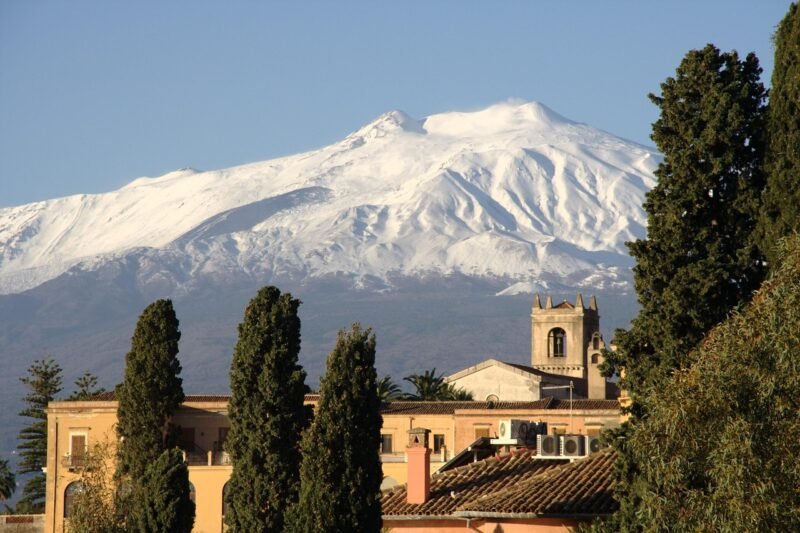
Sicily’s coastline moves between busy resort towns and quieter stretches where villas sit close to the sea. Around Noto, Syracuse, and the southeastern coast, there’s generally more space and fewer crowds than on the northern side of the island.
In Ortigia, the historic centre of Syracuse, narrow streets like Via Roma and Via Cavour open into small squares and waterfront views along Lungomare Alfeo. The island is easy to explore on foot, with no need for transport. Early mornings near the market around Via De Benedictis are especially calm, with fishmongers setting up and locals stopping by before the day picks up.
Make the most of your stay by choosing private seafront villas in Sicily, particularly along the coast near Marzamemi or Fontane Bianche, where properties offer direct access to the water. Many of these villas are set just back from the shoreline behind low walls or hedges, with private paths leading straight down to the sea. The setup makes daily living easy, whether that’s stepping out for a morning swim, spending afternoons on shaded terraces, or walking along the coast without needing to drive.
Tranquil Wellness Stays in the Portuguese Countryside
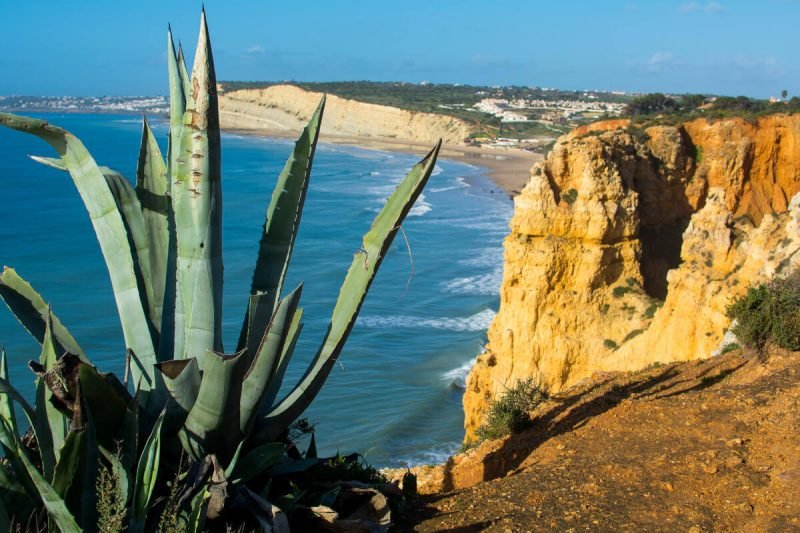
Portugal’s interior regions offer a different experience compared to the coast. Areas like Alentejo are known for wide landscapes, small towns, and a slower daily pace shaped by agriculture and seasonal routines.
In towns like Évora, streets such as Rua 5 de Outubro lead past whitewashed buildings, local shops, and historical sites like the Roman Temple. The surrounding countryside stretches out with olive groves and vineyards, where rural hotels and converted farmhouses operate as wellness retreats.
Many of these properties include on-site facilities such as thermal pools, yoga spaces, and walking paths across private land. Around Monsaraz, for example, accommodations sit on higher ground overlooking the Alqueva Lake, where evenings are quiet, and skies stay clear for stargazing. The region is part of a Dark Sky Reserve, which adds another layer to the experience without needing extra planning.
Quiet Charm and Spring Sunshine in Malta
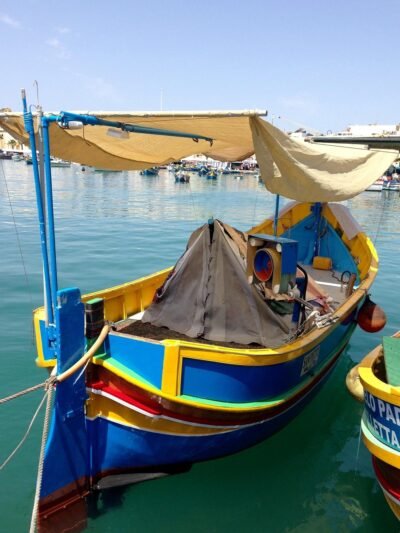
Malta often gets busy in summer, but outside peak months, it’s easier to move around and enjoy its smaller details. Spring is one of the better times to visit, especially for those who want mild weather without large crowds.
For those visiting Malta in March, it’s worth focusing on places like Valletta and Mdina, which are noticeably quieter before the peak season begins. In Valletta, Republic Street and Merchants Street run parallel through the city, with open spaces like St. George’s Square offering room to sit without much noise. The Upper Barrakka Gardens overlook the Grand Harbour, and in early spring, it’s often easy to find a quiet corner even during the day.
Mdina, the former capital, is defined by narrow streets like Triq Villegaignon that stay quiet throughout most of the year. The city walls open out to views across the island, and the absence of traffic makes it one of the most peaceful places to explore on foot.
Which relaxing escape calls to you?
A relaxing getaway often depends on the setting more than the schedule. A villa by the sea, a cottage in the countryside, or a small mountain town can shape how each day unfolds without much effort. What these places share is a setup that doesn’t ask much once you arrive. There are familiar streets, a few spots you naturally return to, and just enough variety to keep things interesting without planning every hour. In the end, choosing the right place is less about what you’ll do and more about how you want your days to feel.