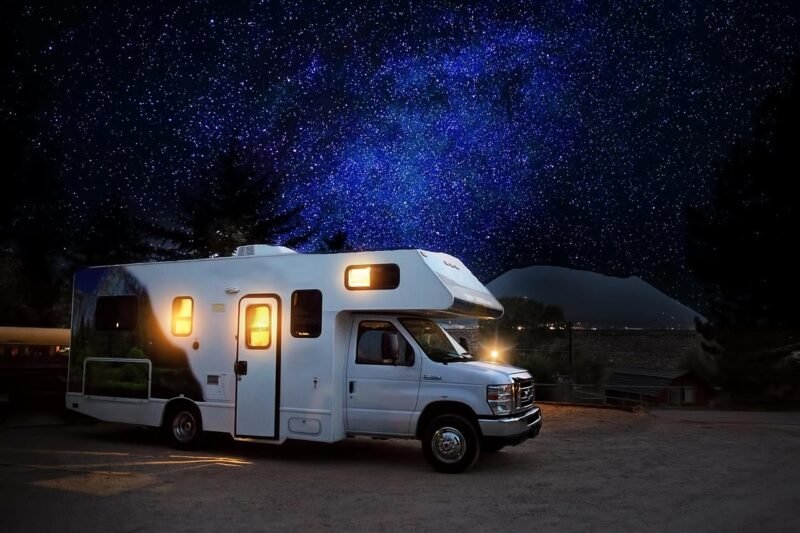
RV shopping often starts with a floor plan. Beds, kitchens, bathrooms, slides, and seating areas are easy to compare. A good layout can make a rig feel like home in minutes.
However, floor plans can also distract from the bigger question: does this RV fit the way you travel? Before falling in love with a model, shoppers should step back and define how they plan to use it. An RV finder process can help narrow the field before emotions, discounts, and showroom excitement take over.

Category Comes Before Decor
A Class B camper van is very different from a fifth wheel. A Class C motorhome is different from a travel trailer. A toy hauler is different from a destination trailer. Each category changes how you drive, park, camp, maintain, and store the RV.
If you choose the wrong category, even a beautiful floor plan can become frustrating. A large fifth wheel may feel luxurious at camp but require a truck and towing confidence. A camper van may be easy to drive but too tight for a family that needs separate sleeping zones. A travel trailer may be affordable but only if the tow vehicle is truly matched to it.
Start With Trip Style
Trip style is the quickest way to eliminate poor fits. Ask yourself:
- Will trips be mostly weekends, weeklong vacations, or extended travel?
- Do you want campgrounds with full hookups or more off-grid flexibility?
- Will you move often or stay in one place?
- How many people need real sleeping space?
- Will anyone work from the RV?
- Are pets, bikes, kayaks, or outdoor gear part of the plan?
These answers matter more than a flashy feature list. A traveler who moves every day needs a different RV than someone who parks for two weeks at a time.
Driving and Towing Comfort Are Dealbreakers
An RV that is uncomfortable to drive or tow will not be used as often, especially for new owners. Motorhome buyers should compare visibility, braking, turning, parking, highway feel, and how confident each driver feels behind the wheel. Towable buyers need to understand payload, towing capacity, hitch setup, trailer length, and how the combination handles.
No floor plan can make up for a rig that feels stressful every time it leaves home. An RV finder tool can help shoppers sort options by travel style before they get attached to a model that is wrong for their driving comfort.
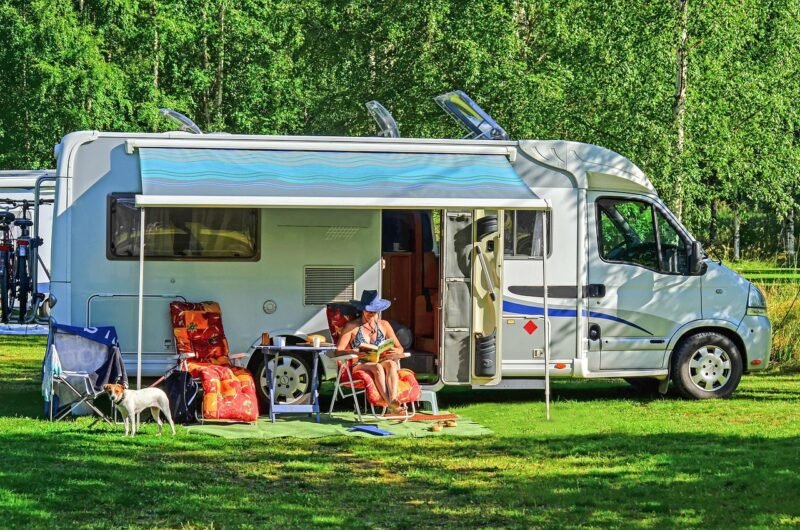
Sleeping Layout Should Match Real Life
Sleeping capacity numbers can be optimistic. A dinette bed may count as a bed, but that does not mean it is comfortable for every trip. A sofa conversion may work for a weekend guest but feel annoying as a nightly routine. Families should think about bedtime habits:
- Can kids sleep while adults stay awake?
- Does anyone need privacy?
- Can people reach the bathroom at night?
- Does the layout require converting the main living space every evening?
Couples and solo travelers should think about bed access, storage near the bed, and whether the sleeping area still works after a long travel day.
Storage Is a Lifestyle Question
Storage needs depend on how you travel. Minimalist weekenders need less. Families, full-timers, outdoor travelers, and remote workers need more. Look beyond cabinet count:
- Where do shoes go?
- Where does wet gear go?
- Is there room for tools, hoses, power cords, cookware, food, and outdoor chairs?
- Is exterior storage large enough for bulky items?
The right RV should make organization easy. If every trip starts with a packing puzzle, the floor plan may not be as good as it looked.
Then Compare Floor Plans
Once category, trip style, driving comfort, sleeping needs, and storage needs are clear, floor plans become easier to judge. That shift helps buyers ignore features they do not need and notice details they might otherwise miss.
The best RV is the one that makes the next trip easier to take. Use the big questions first, then let the floor plan prove it belongs on the shortlist.