Hello, my wonder friends, how have you been? If you’re reading this, it must mean you’re ready to trade that ergonomic office chair for a jagged rock in the Andes, and your morning commute is now a steep vertical scramble.
Well done! You’re now part of a select group of adventurers whose concept of fun is to climb higher at elevations even birds think twice before flying.
But before you zip up that high-tech jacket and set your trekking poles to adventure mode, we need to talk about the one thing more important than your trail mix ratio: Travel Insurance.
Because while the views are breathtaking, the bill for a helicopter evacuation will literally take your breath away and possibly your life savings, too!

Altitude Sickness is Not Just a “Bad Hangover”
We’ve all been there. A little dizzy, a slight headache, a sudden urge to lie down in the middle of a trail and pretend we are a moss-covered boulder.
On a Saturday night in the city, this is a sign of a good time. At 4,000 meters, it’s Acute Mountain Sickness (AMS). Your brain is essentially throwing a temper tantrum because it’s missing its favorite element: Oxygen.
High altitude doesn’t care how many marathons you’ve run or how alpha your gym routine is. It is the great equalizer. One moment you’re taking a selfie at a mountain pass, and the next, you’re experiencing HAPE (High Altitude Pulmonary Edema), where your lungs begin to fill with fluid.
At this point, “walking it off” is no longer an option.
Real-Life Reality Check: In 2019, a seasoned trekker on the Annapurna Circuit in Nepal dismissed his persistent cough as a common cold. By nightfall, he couldn’t stand. It wasn’t a cold; it was HAPE.

Without insurance to cover the immediate helicopter rescue to Kathmandu, the $5,000 upfront cost would have delayed his treatment, likely leading to a fatal outcome. He was evacuated at 2 AM, and his insurance handled the logistics while he focused on, well, breathing.
Helicopters are Expensive Taxis
When you’re stuck on a ledge with a broken ankle or a case of severe AMS, Uber doesn’t have a “Mountain Rescue button”.
The only way down is often via a highly specialized helicopter crew. These pilots are the rockstars of the aviation world, landing on the world’s harshest terrains despite the world’s harshest high winds.
Real-Life Reality Check: A private helicopter evacuation in regions like the Himalayas or the Peruvian Andes can cost anywhere from $3,000 to $15,000 USD.
If you don’t have insurance, many rescue companies will require a credit card authorization or a cash deposit before they even start the rotors. Unless your credit limit is “International Man of Mystery” level, you want someone else picking up that tab.
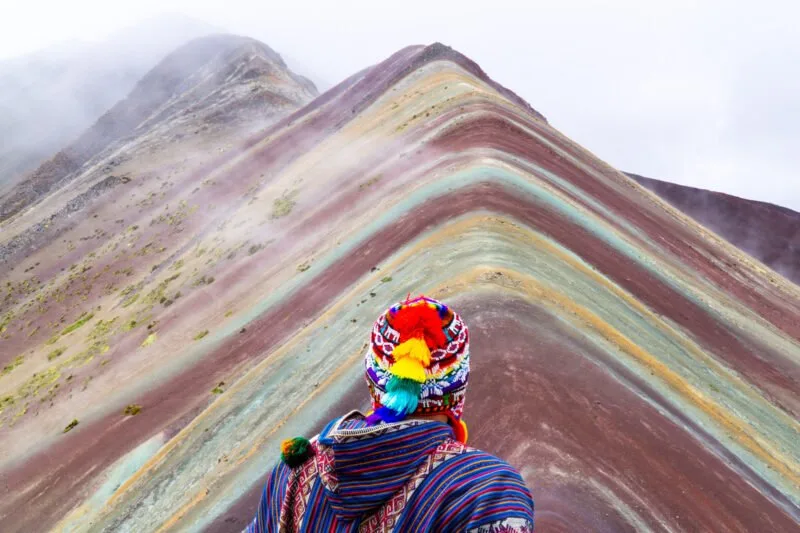
The Slip and Slide You Didn’t Sign Up For
Mountain terrain is unpredictable. One minute you’re on a well-maintained path, and the next, a sudden afternoon rainstorm turns the trail into a giant slip-and-slide made of mud and sharp shale.
Even the most experienced hikers can take a tumble. A simple sprained ankle at sea level is an annoyance; at 5,000 meters, it’s a logistical nightmare.
Real-Life Reality Check: on the slopes of Mount Kilimanjaro, a hiker slipped on loose scree during the descent from Uhuru Peak. He suffered a compound fracture in his lower leg. Because he was in a remote area, it took six porters to carry him on a stretcher to a lower elevation where a vehicle could reach him.
The subsequent surgery in a private hospital in Nairobi and the medical repatriation flight back to his home country totaled over $40,000. His policy covered everything from the stretcher to the business-class flight home necessary to keep his leg elevated.
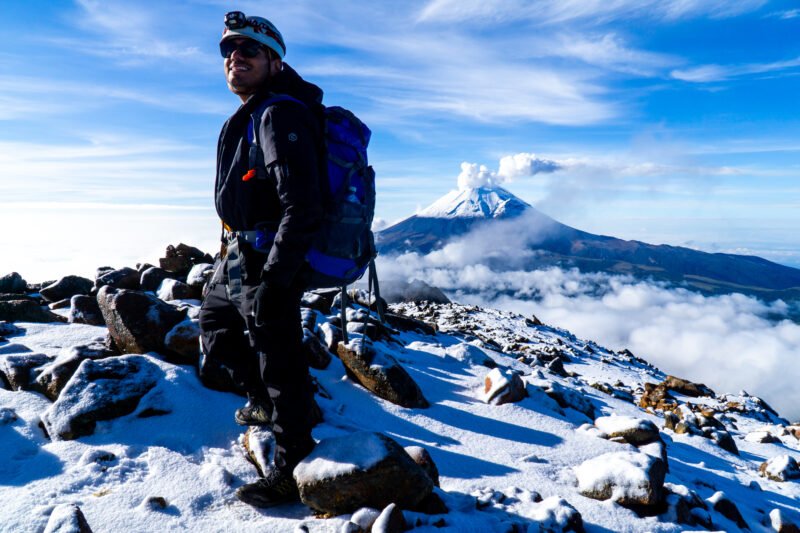
Gear Goes Missing, and it isn’t Cheap
Hiking high altitude mountains requires gear (check out my Best Packing Guide for Men) that costs more than a decent used car.
Between the ultra-lightweight tents, the -20°C sleeping bags, and the specialized boots, you are essentially a walking treasury. Unfortunately, mountain travel often involves multiple transport links, local buses, small planes, and pack mules.
Things get lost. Mules decide to go for a swim in a river with your bag. Or, in some unfortunate cases, gear is stolen from base camps.
Real-Life Reality Check: Travel insurance doesn’t just cover your body; it covers your “stuff.” If your primary pack disappears on its way to Leh, Ladakh, insurance allows you to replace your essential gear, so you don’t have to summit in your denim jacket and sneakers.

Weather: The Mountain’s Only Constant is Chaos
You can plan your trek for the “perfect” window, but the mountains don’t read the forecast. A sudden blizzard can trap you in a high camp for days, or a landslide can wash away the only road back to the airport. Trip interruption and cancellation coverage are vital.
If your 14-day trek is cut short by a natural disaster, insurance helps recoup the thousands of dollars you spent on non-refundable permits and guide fees.
Real-Life Reality Check: During the 2015 earthquake in Nepal, hundreds of hikers were stranded in the Everest region.
Trails were destroyed, and tea houses leveled. While the primary concern was safety, the financial fallout for those stranded was massive. Those with comprehensive travel insurance had their emergency evacuations, extended stays, and rearranged international flights fully reimbursed.
Those without were left to navigate a geopolitical and financial crisis on their own.
Pro Tip: What Travel Insurance Should You Trust?
If you’re looking for a flexible, reliable option that understands the modern traveler, I highly recommend SafetyWing. Unlike traditional insurers that require you to buy a policy before you leave your home country, SafetyWing allows you to sign up even if you’re already traveling.
It’s a subscription-based model (think Netflix for your safety), which is perfect for long-term nomads and mountain explorers alike. Check them out here: Safety Wing.
A Final Word of Wonders:
Look, we all want to believe we are invincible. We want to believe that our legs are strong, our lungs are iron, and our luck is infinite. But the mountain is indifferent to your ego.
Getting travel insurance isn’t an admission of weakness; it’s a sign of a professional. It’s the safety net that allows you to push your limits, knowing that if the “unthinkable” happens, you won’t be paying for it for the next twenty years.
So, pack your bag, check your boots, and buy the insurance. Then, go stand on top of that mountain and enjoy the view. You’ve earned it—and you’ve protected it.
Until next time, my wonder friends!