Ikebana, the Japanese art of flower arrangement, is shaped by balance, space, and careful placement rather than abundance. Travelling through Japan offers opportunities to experience this practice in different settings, from formal schools to small workshops and seasonal exhibitions. The journey between cities becomes part of the experience, connecting modern life with long-standing traditions.
Tokyo’s Modern Ikebana Scene
Tokyo offers a wide range of ikebana experiences, from formal schools to smaller, independent studios. Districts such as Ginza and Shinjuku host classes that cater to both beginners and experienced practitioners. Many schools follow established styles, including those developed over centuries, while others take a more contemporary approach. Workshops often include an introduction to the philosophy behind ikebana, focusing on proportion, line, and seasonal materials.
Materials are usually provided, allowing participants to focus on technique. The city’s pace means that sessions are often structured and time-specific. Public transport makes it easy to reach different studios, even across larger distances. Exhibitions are sometimes held in galleries or department stores, offering another way to observe the practice. Tokyo’s setting combines tradition with modern presentation. It works well as an introduction to ikebana.
Planning Your Journey Through Japan
Japan’s rail network makes it easy to move between cities where ikebana is taught and displayed. Booking a Tokyo to Kyoto train is one of the most common routes, taking around two and a half hours on high-speed services operated by Japan Railways Group. Trains depart from Tokyo Station and arrive at Kyoto Station, both located in central areas. The frequency of departures allows flexibility when planning workshops or classes.
Seats are reserved, and the journey is consistent in timing, which helps when working with scheduled activities. Travelling by rail also avoids airport procedures and keeps the focus on the experience itself. The route passes through changing landscapes, offering a gradual transition between regions. This connection forms a practical starting point for an itinerary centred on traditional arts. It also links two of the most important cultural cities in Japan.
Kyoto’s Traditional Approach
Kyoto provides a different environment, with a stronger connection to historical practices. Many ikebana schools here are linked to temples or long-established institutions. Classes often take place in quieter settings, with fewer participants and a slower pace. The focus is on technique and the cultural context behind each arrangement. Seasonal awareness plays a significant role, with materials chosen to reflect specific times of year.
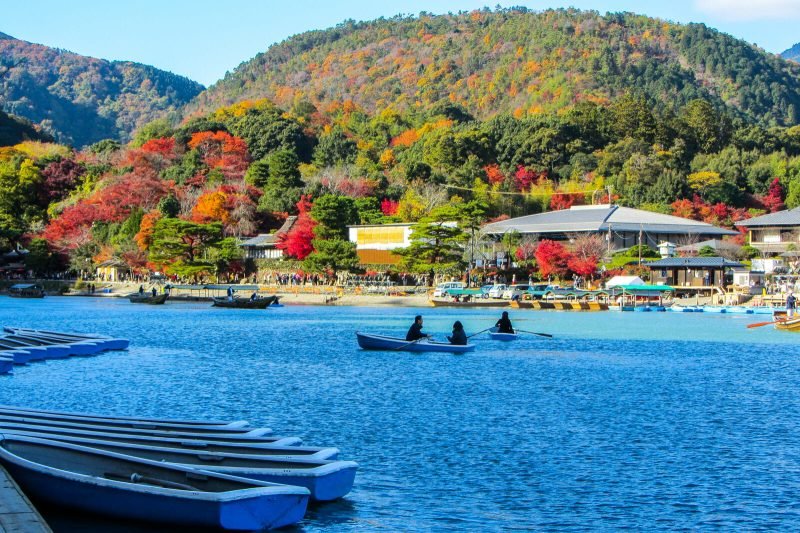
The city’s layout allows visitors to combine classes with visits to temples and gardens. Walking between locations adds to the experience, reinforcing the connection between nature and design. Kyoto’s atmosphere encourages observation and patience. This aligns closely with the principles of ikebana. It provides a deeper understanding of the practice. The contrast with Tokyo is clear.
Returning Between Cultural Centres
For those moving back through the same route, booking a train from Kyoto to Tokyo follows the same structure, with frequent departures and similar travel times. This flexibility allows you to plan a circular journey rather than a one-way route. Returning to Tokyo after time in Kyoto offers a contrast between contemporary and traditional environments. The ability to move easily between these cities supports a more varied schedule, especially when attending different workshops. Trains remain consistent in comfort and reliability, regardless of direction.
This makes it possible to adjust plans without major disruption. The route is one of the most travelled in the country, so booking in advance is recommended during peak periods. Having a return option also allows you to revisit locations if needed. It keeps the itinerary flexible. This is particularly useful for longer stays.
Kanazawa and Regional Craftsmanship
Kanazawa offers a more regional perspective on traditional arts, including ikebana. The city is known for its preserved districts and strong focus on craftsmanship. Workshops here are often smaller and more personal, sometimes hosted by local artisans. The setting allows for a closer connection to materials, which may be sourced locally. Kenrokuen Garden provides an example of how natural elements are arranged on a larger scale, reflecting similar principles to ikebana.
The pace is slower than in larger cities, with fewer visitors and less structure. Travel to Kanazawa involves a combination of high-speed and regional trains, but remains manageable within a few hours. This stop adds variety to an itinerary focused on traditional arts. It also introduces a different regional influence. The experience feels more local and less formal.
Rural Workshops and Seasonal Learning
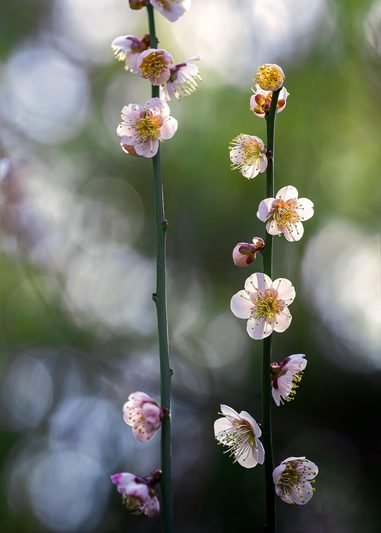
Beyond the main cities, rural areas offer opportunities to experience ikebana in a more informal setting. Small towns and countryside locations often host workshops that focus on seasonal materials and local plants. These sessions may take place in private homes or community spaces, rather than formal studios. The approach is often less structured, with more emphasis on observation and adaptation. Travel to these areas usually involves regional trains or buses, requiring additional planning. However, the slower pace and quieter environment can enhance the learning experience.
Accommodation may include traditional inns, where meals reflect local ingredients. This adds another layer to the trip. The connection between landscape and arrangement becomes more apparent. These experiences are less common but highly distinctive. They provide a different perspective on ikebana.
Seasonal Exhibitions and Public Displays
Across Japan, ikebana is also presented in public spaces through seasonal exhibitions and temporary displays. Major department stores, cultural centres, and galleries in cities like Osaka and Tokyo regularly host curated arrangements created by established schools and individual artists. These displays change throughout the year, reflecting seasonal materials and themes, which makes each visit slightly different. Unlike workshops, exhibitions allow you to observe a wide range of styles in a single setting, from traditional compositions to more experimental designs.
Information panels often explain the principles behind each arrangement, offering context without requiring prior knowledge. Entry is sometimes free or included with access to larger cultural venues. Visiting these exhibitions can complement hands-on sessions, providing a broader view of how ikebana is interpreted today. The setting is more formal, but still accessible to casual visitors. It is a practical way to deepen your understanding without committing to additional classes.
Bringing the Experience Together
Exploring ikebana across Japan combines movement between cities with time spent in focused, hands-on learning environments. Rail connections make it possible to link these experiences without complex planning, while each location offers a different interpretation of the practice. From Tokyo’s structured workshops to Kyoto’s traditional schools and regional variations in Kanazawa, the journey builds a broader understanding of the art form.